Gemini_Generated_Image_3qoghk3qoghk3qog

The Science Behind Spinal Adjustments Explained Simply

You’ve probably heard friends or family talk about “getting adjusted” at the chiropractor and how much better they felt afterward. Maybe you’ve even experienced it yourself — that satisfying release of tension and improved movement. But what actually happens inside your body during a spinal adjustment? Is it just cracking bones, or is there real science behind it?

At Mensky Chiro in Bluebird Shopping Centre, Birnam, Dr. Galia Mensky often explains the science in straightforward terms to patients who want to understand why chiropractic care helps their back pain, neck stiffness, headaches, and other issues. The truth is that spinal adjustments are grounded in anatomy, neurology, and biomechanics — and they work remarkably well for many common problems.

Let’s break it down simply, without the medical jargon.

What Happens During a Spinal Adjustment?

A spinal adjustment (also called a chiropractic manipulation) is a precise, controlled movement applied to a joint that has become restricted or “stuck.” When a joint in your spine isn’t moving properly, it affects everything around it — muscles, nerves, ligaments, and even how you stand and move.

During the adjustment, Dr. Galia Mensky applies a quick, gentle force to the joint. You might hear a small popping or clicking sound (called cavitation), which is simply gas bubbles releasing from the joint fluid. This sound is not the goal — it’s just a side effect.

What matters is what happens next inside your body:

  • The joint regains its normal range of motion
  • Tight muscles around the joint relax
  • Pressure on nearby nerves decreases
  • Blood flow and nerve signals improve

These changes create an almost immediate sense of relief and better movement for many patients.

The Nervous System Connection

Your spine houses and protects your spinal cord — the main highway for nerve signals between your brain and the rest of your body. When spinal joints are restricted, they can irritate or compress nearby nerves. This irritation doesn’t always cause obvious pain; it can show up as muscle tightness, headaches, fatigue, or even digestive issues.

A well-timed adjustment helps restore proper nerve flow. Think of it like clearing a traffic jam on a busy highway. Once the road is open again, everything downstream works more smoothly.

This neurological effect is one reason why patients often report benefits beyond just the adjusted area — better sleep, reduced stress, and improved overall wellbeing.

Why Joints Become Restricted in the First Place

In modern Johannesburg life, spinal joints commonly lose proper movement due to:

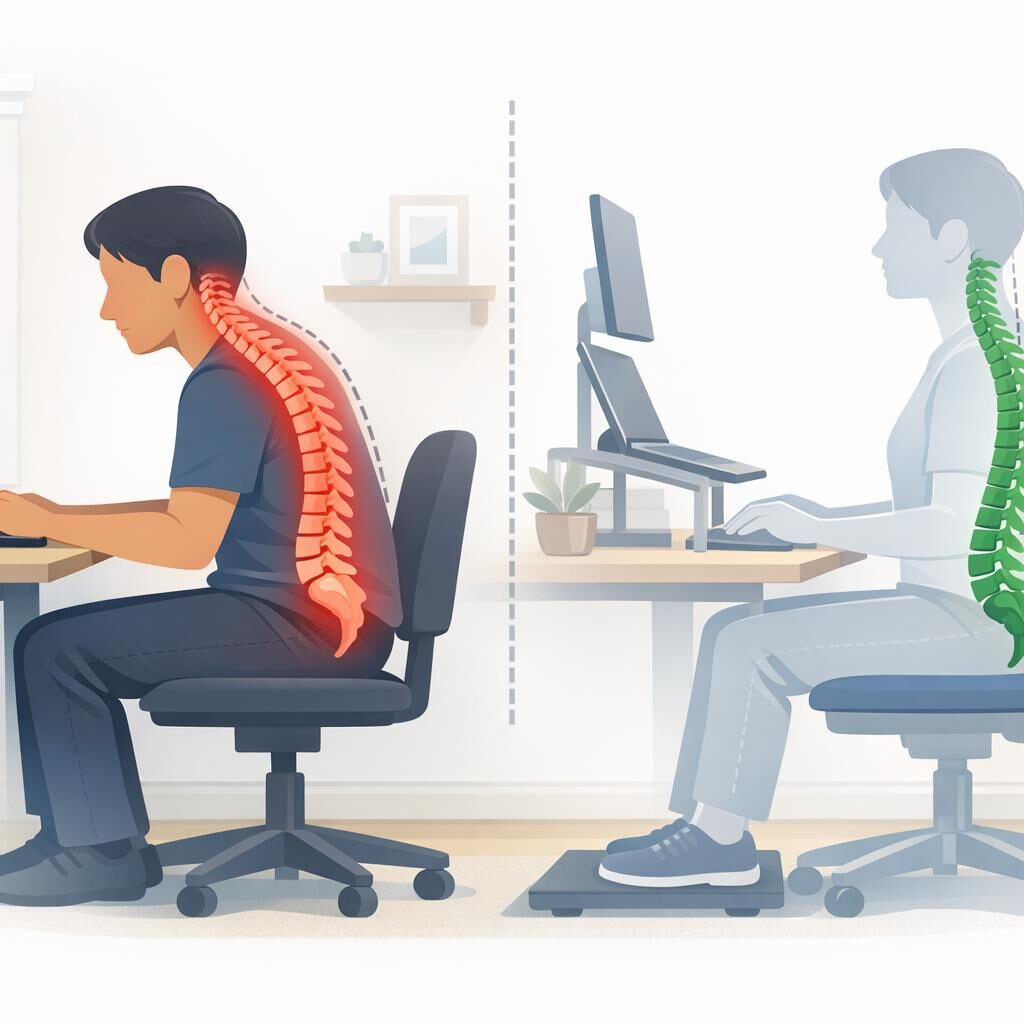
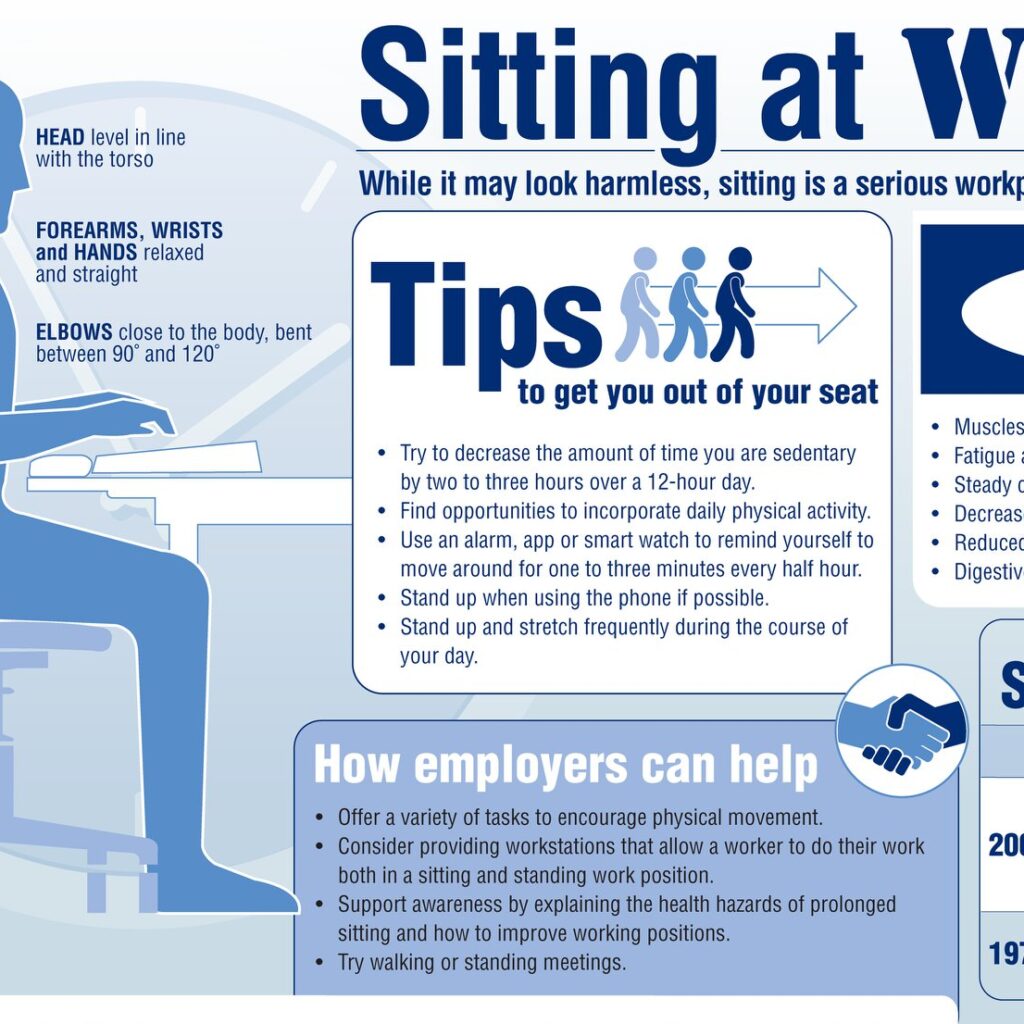
  • Prolonged sitting at desks with poor posture
  • Repetitive movements or poor ergonomics
  • Stress-induced muscle tension
  • Previous injuries or accidents
  • Lack of regular movement and exercise

Over time, these factors cause small adhesions and stiffness that compound into bigger problems. Adjustments help break this cycle by restoring motion before more serious wear and tear develops.

What Research and Clinical Experience Show

Decades of studies and the daily experience of chiropractors worldwide support the effectiveness of spinal adjustments for mechanical back pain, neck pain, headaches, and joint dysfunction. Patients often experience reduced pain, improved mobility, and better function without relying on medication.

At Mensky Chiro, Dr. Galia Mensky combines adjustments with soft tissue work and exercises to address the whole picture — not just the restricted joint, but the muscles and movement patterns that keep the problem returning.

Practical Tips While Receiving Chiropractic Care

To get the most from your adjustments:

  1. Stay gently active — Walk, stretch, and move regularly between visits to help maintain the new joint mobility.
  2. Pay attention to posture — Good daily habits prevent restrictions from returning quickly.
  3. Stay hydrated — Well-hydrated tissues and joints respond better to care.
  4. Follow your home exercise plan — Simple movements prescribed by Dr. Mensky reinforce the benefits of adjustments.
  5. Be consistent — Like dental check-ups or exercise, regular chiropractic care works best as prevention and maintenance.

When to Consider Spinal Adjustments

Spinal adjustments may be appropriate if you experience:

  • Stiffness or reduced movement in your back or neck
  • Recurring aches that don’t fully resolve with rest
  • Headaches linked to neck tension
  • Joint pain or clicking sensations
  • General feeling of “tightness” or imbalance

A thorough assessment at Mensky Chiro will determine whether adjustments are suitable for your specific condition.

Johannesburg Lifestyle and Spinal Health

Our fast-paced city life — long commutes, desk-based jobs, and high stress — commonly leads to restricted spinal joints. Many professionals from Sandton, Rosebank, and surrounding suburbs find that regular chiropractic care helps them stay active and comfortable despite these demands.

Dr. Galia Mensky’s practice at Bluebird Shopping Centre in Birnam is conveniently located for residents of Melrose, Dunkeld, Victory Park, and nearby areas who want natural, effective care that fits their busy schedules.

Conclusion: Spinal Adjustments — Simple, Safe, and Effective

Spinal adjustments are not mysterious or forceful cracking. They are precise, gentle movements based on real anatomy and neurology that help restore normal joint function, reduce pain, and improve how your body works as a whole.

At Mensky Chiro in Bluebird Shopping Centre, Birnam, Dr. Galia Mensky delivers chiropractic care with clear explanations and personalised attention. Whether you’re dealing with acute pain or want to maintain better spinal health, understanding the science can help you feel confident in your care.

If restricted movement, pain, or stiffness is holding you back, chiropractic adjustments may be the missing piece.

Ready to experience the benefits of spinal adjustments?

Book your consultation at Mensky Chiro today. Call 083 296 4411 or visit https://menskychiro.co.za to schedule your appointment at Bluebird Shopping Centre, Birnam.

Take the first step toward better movement, less pain, and improved overall wellbeing.


FAQ Section

Q1: Does the popping sound mean the adjustment worked? A: The sound is just gas releasing from the joint fluid. The real benefit comes from restored movement, not the sound.

Q2: Are spinal adjustments safe? A: When performed by a qualified chiropractor after a proper assessment, adjustments are very safe and effective for most people.

Q3: How often will I need adjustments? A: It varies. Many patients start with more frequent visits for acute issues and then move to maintenance care every 4–8 weeks.

Q4: Can I get adjusted if I’m nervous about it? A: Absolutely. Dr. Galia Mensky explains everything clearly and uses very gentle techniques. Your comfort is always the priority.

Q5: Will one adjustment fix my problem permanently? A: One adjustment can provide significant relief, but lasting results usually come from a course of care plus lifestyle changes.


Gemini_Generated_Image_4s2pej4s2pej4s2p

Can Chiropractic Care Improve Sleep Quality?

You climb into bed exhausted after another long day in Johannesburg, but sleep doesn’t come easily. You toss and turn, your lower back aches when you lie on your side, your neck feels stiff on the pillow, and by 3am your mind is racing while your body stays uncomfortable. Morning arrives and you feel anything but rested.

If this cycle sounds familiar, you’re not alone. Millions of South Africans struggle with poor sleep, and for many, the root cause is mechanical — tight muscles, restricted joints, and poor spinal alignment that make it impossible to relax fully at night. At Mensky Chiro in Bluebird Shopping Centre, Birnam, Dr. Galia Mensky regularly helps patients break this cycle. Many report noticeably better sleep after addressing spinal issues through chiropractic care.

The connection between your spine and sleep quality is stronger than most people realise.

How Spinal Problems Disrupt Your Sleep

Your spine is the foundation of your body’s posture, even when lying down. When joints in the neck, mid-back, or lower back are restricted or misaligned, your body cannot fully relax. Muscles stay tense trying to protect the irritated areas, and you unconsciously shift positions all night trying to find comfort.

Common spinal contributors to poor sleep include:

  • Forward head posture from daily screen use, which strains neck muscles and makes side-sleeping painful
  • Lower back stiffness or pelvic misalignment that causes discomfort when lying flat
  • Mid-back (thoracic) restrictions that make deep breathing difficult
  • Accumulated muscle tension from stress and poor ergonomics that keeps your nervous system in a mildly alert state

This physical discomfort not only prevents deep, restorative sleep but also increases nighttime stress hormones, creating a vicious cycle of fatigue and pain.

The Science Behind Chiropractic Care and Better Sleep

Chiropractic adjustments help restore proper joint movement and alignment. When the spine moves better, surrounding muscles can relax more completely. This reduces pain signals and allows the nervous system to shift more easily from “fight-or-flight” mode into “rest-and-digest” mode — exactly what’s needed for quality sleep.

Many patients at Mensky Chiro notice several improvements:

  • Falling asleep faster because they’re not distracted by aches
  • Fewer nighttime awakenings due to reduced discomfort
  • Deeper sleep stages that leave them feeling refreshed
  • Less morning stiffness and grogginess
  • Overall reduction in stress-related tension that previously kept them awake

These changes happen because chiropractic care addresses the root mechanical causes rather than just masking symptoms with sleeping pills or pain medication.

Practical Tips to Improve Sleep Quality Through Spinal Health

You can support better sleep with these practical habits that complement chiropractic care:

  1. Choose the right pillow and mattress Your pillow should support the natural curve of your neck without pushing your head too far forward or letting it drop too low. A medium-firm mattress usually works best for spinal alignment.
  2. Optimise your sleeping position Side sleeping with a pillow between the knees helps maintain pelvic alignment. Back sleeping with a small pillow under the knees can also reduce lower back strain. Avoid stomach sleeping if possible.
  3. Create an evening wind-down routine Spend 10–15 minutes doing gentle stretches for the neck, shoulders, and lower back. Avoid screens at least 30–60 minutes before bed.
  4. Maintain good daytime posture Poor posture during the day carries over into night. Regular movement breaks at work prevent tension from building up.
  5. Keep a consistent sleep schedule Going to bed and waking up at similar times helps regulate your body’s internal clock.
  6. Manage stress before bed Try deep breathing or progressive muscle relaxation to release the physical tension that chiropractic care is also addressing.
  7. Stay active during the day Regular movement and exercise (without overdoing it late in the evening) promote deeper sleep.

When to See a Chiropractor for Sleep Issues

Consider booking an assessment if you notice:

  • Frequent waking due to back or neck pain
  • Morning stiffness or headaches that improve during the day
  • Difficulty finding a comfortable sleeping position
  • Poor sleep that coincides with increased desk work or stress
  • Overall fatigue despite spending enough time in bed

Many patients are surprised by how much better they sleep once spinal restrictions are corrected.

Johannesburg Lifestyle and Sleep Challenges

Life in Johannesburg — with its long commutes, high work demands, load-shedding disruptions, and active pace — makes quality sleep especially difficult. Many professionals in areas like Sandton, Rosebank, and the northern suburbs carry physical tension from daily driving and desk work straight into their beds.

Dr. Galia Mensky at Mensky Chiro understands these realities. Her conveniently located practice in Bluebird Shopping Centre, Birnam, serves busy individuals from Melrose, Dunkeld, Victory Park, and surrounding suburbs who want natural ways to improve both pain levels and sleep quality without relying on medication.

Conclusion: Better Sleep Is Possible With Chiropractic Care

Poor sleep doesn’t have to be your normal. When your spine is aligned and moving well, your body can finally relax into deep, restorative rest. Chiropractic care offers a safe, natural way to address the mechanical issues that so often stand between you and a good night’s sleep.

At Mensky Chiro in Bluebird Shopping Centre, Birnam, Dr. Galia Mensky provides personalised chiropractic care that helps many Johannesburg patients sleep better, wake refreshed, and experience less daily pain. The results often extend far beyond the bedroom — into improved energy, mood, and productivity.

If restless nights and morning discomfort have become your reality, it’s time to explore how chiropractic care can help.

Ready to sleep better and wake up feeling refreshed?

Book your chiropractic assessment at Mensky Chiro today. Call 083 296 4411 or visit https://menskychiro.co.za to schedule your appointment at Bluebird Shopping Centre, Birnam.

Invest in better sleep and better health — your body and mind will thank you.


FAQ Section

Q1: Can chiropractic care really improve sleep? A: Yes. By reducing pain, muscle tension, and nervous system stress, many patients fall asleep faster and experience deeper, more restorative sleep.

Q2: How soon might I notice better sleep after starting chiropractic care? A: Some patients report improvements within the first 1–2 weeks, while others notice gradual but significant changes over 4–6 sessions.

Q3: Will adjustments hurt or keep me awake at night? A: Most people find chiropractic adjustments very relaxing. Some even feel sleepy after a session as tension is released.

Q4: Should I continue taking sleep medication while seeing a chiropractor? A: Always follow your doctor’s advice. Many patients are able to reduce or stop reliance on sleep aids as their sleep naturally improves.

Q5: Is it normal to feel tired after chiropractic treatment? A: Yes. As your body releases stored tension and begins healing, it’s common to feel more relaxed or need extra rest initially — this is a positive sign.

Gemini_Generated_Image_kfadk6kfadk6kfad

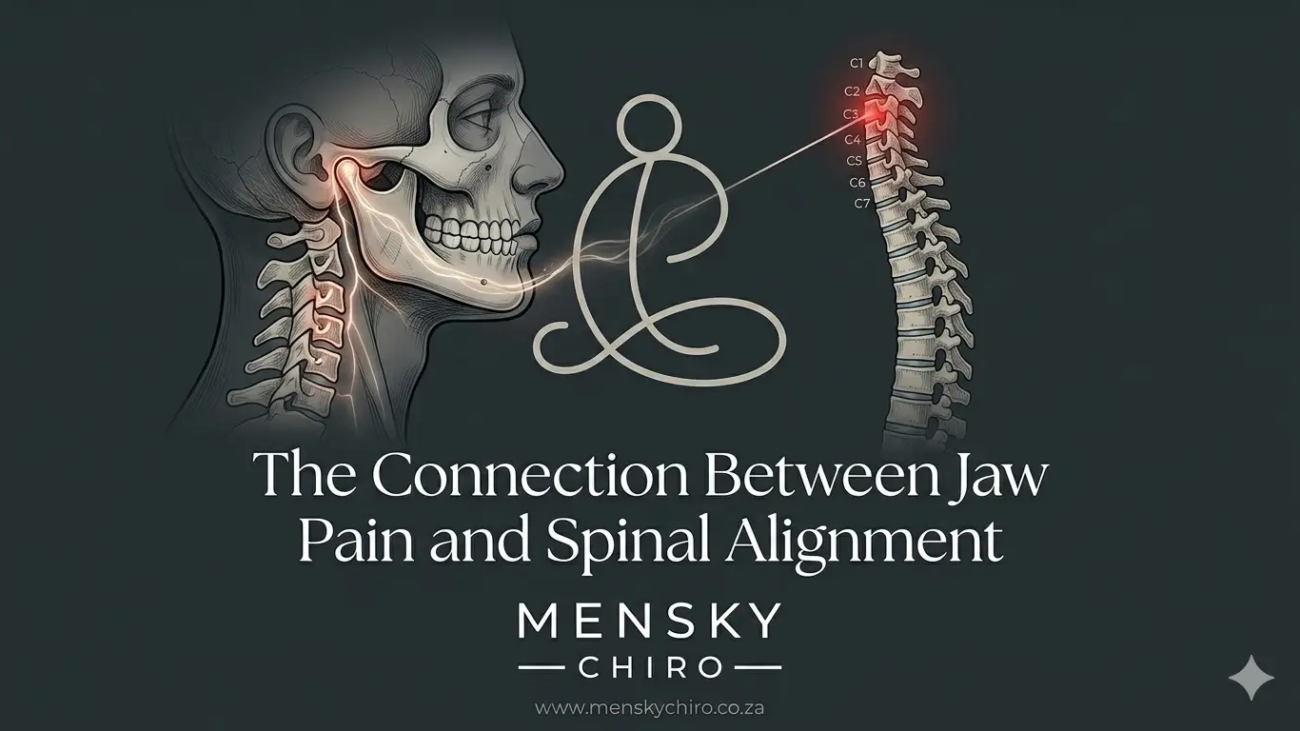
The Connection Between Jaw Pain and Spinal Alignment

You wake up with a sore jaw, struggle to chew your breakfast, or notice clicking and popping every time you open your mouth. Maybe you’ve even been diagnosed with TMJ disorder. While many people treat jaw pain as an isolated dental or stress-related issue, the real cause often lies higher up — or rather, lower down — in the spine.

At Mensky Chiro in Bluebird Shopping Centre, Birnam, Dr. Galia Mensky frequently sees patients whose persistent jaw pain improves dramatically once spinal alignment and neck tension are addressed. The jaw, neck, and upper spine are intimately connected through posture, muscle chains, and nerve pathways. Understanding this link can unlock lasting relief that goes far beyond mouth guards or pain medication.

How the Jaw and Spine Work Together

Your temporomandibular joint (TMJ) is one of the most complex and frequently used joints in the body. It connects your jawbone to your skull and is surrounded by powerful muscles, ligaments, and nerves.

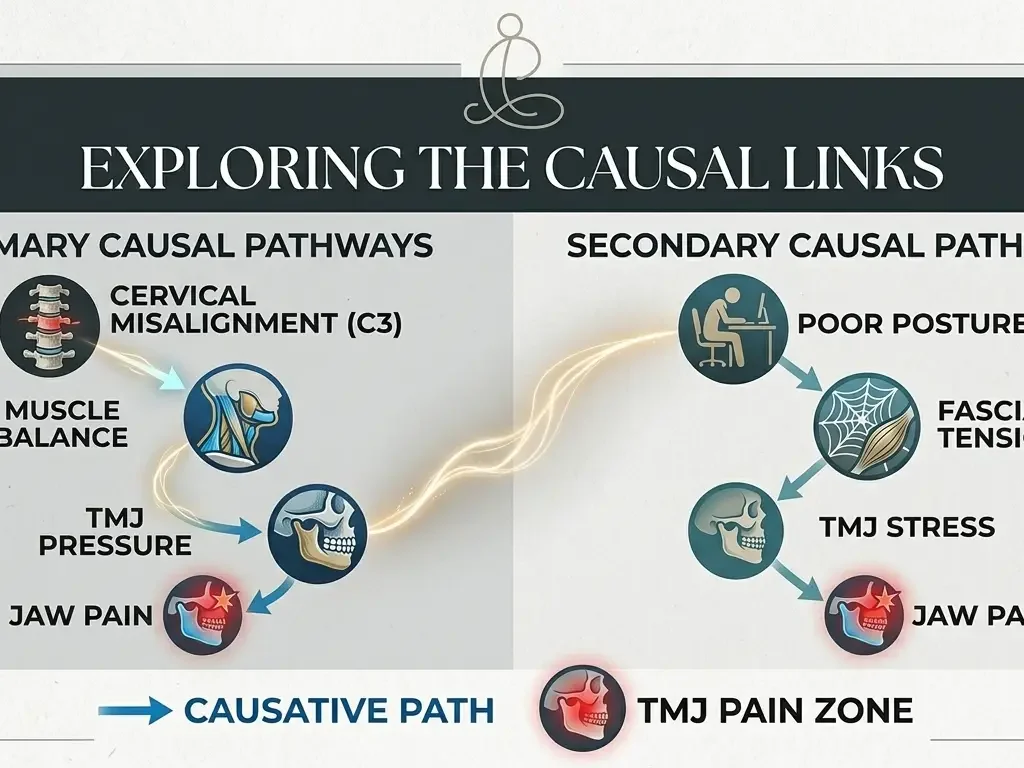
The upper cervical spine (neck) sits directly below the skull and influences the position of the jaw. When the neck loses its natural curve or certain vertebrae become restricted, it changes the resting position of the head. This forward head posture or tilted alignment puts abnormal stress on the jaw joint and its supporting muscles.

Key connections include:

  • Postural chain reaction — Poor neck alignment causes the jaw to jut forward or shift to one side
  • Muscle compensation — Tight suboccipital muscles and trapezius pull on structures that affect jaw tension
  • Bite imbalance — Spinal misalignment can subtly alter how your teeth come together, increasing TMJ stress
  • Nerve irritation — Shared nerve pathways mean irritation in the upper neck can refer pain or tension to the jaw and face

Many patients are surprised to learn that years of desk work, poor posture, or even previous neck strain can manifest as chronic jaw pain.

Common Signs of Jaw Pain Linked to Spinal Issues

Dr. Galia Mensky often hears these complaints from patients in her Birnam practice:

  • Jaw pain or aching, especially in the morning
  • Clicking, popping, or grinding sounds in the TMJ
  • Difficulty opening the mouth fully or chewing
  • Headaches that start near the temples or ears
  • Ear pain or fullness without an actual ear infection
  • Neck stiffness that worsens alongside jaw symptoms
  • Teeth grinding (bruxism) that increases at night

These symptoms often intensify after long workdays, stressful periods, or long commutes — all common in Johannesburg life.

Why Traditional Approaches Sometimes Fall Short

Many people first visit dentists or specialists for jaw pain and receive mouth guards, anti-inflammatories, or Botox injections. While these can provide temporary relief, they often don’t address the underlying spinal and postural contributors. This is why symptoms frequently return. Chiropractic care offers a different approach by correcting the mechanical dysfunction higher in the system.

Practical Tips to Ease Jaw Pain Through Better Alignment

You can start supporting the jaw-spine connection with these simple strategies:

  1. Practise relaxed jaw posture Keep your teeth slightly apart and your tongue resting gently on the roof of your mouth. This reduces clenching.
  2. Correct forward head posture Do regular chin tucks throughout the day. Gently draw your chin back to align your ears over your shoulders.
  3. Stretch neck and jaw muscles Gentle side-to-side neck tilts, chin tucks, and careful jaw opening stretches can release tension.
  4. Improve your workstation Ensure your screen is at eye level to prevent forward head strain that affects the jaw.
  5. Manage nighttime grinding Establish a calming bedtime routine. Consider a chiropractic check of your neck before relying solely on dental appliances.
  6. Stay mindful of habits Avoid chewing gum excessively, resting your chin on your hand, or cradling your phone between ear and shoulder.
  7. Strengthen supporting muscles Gentle postural exercises for the upper back and deep neck flexors help maintain better alignment.

When to See a Chiropractor for Jaw Pain

Consider booking an appointment with a chiropractor Johannesburg patients trust if you have:

  • Persistent jaw pain that doesn’t improve with dental treatment
  • Jaw symptoms accompanied by neck pain or stiffness
  • Recurring headaches or facial pain
  • Clicking or locking in the jaw that affects daily function
  • Postural issues or previous neck injuries

A thorough assessment can determine whether spinal alignment is contributing to your TMJ symptoms.

Johannesburg Lifestyle Factors That Affect Jaw and Spine Health

Professionals in Johannesburg often face high stress levels, long desk hours, and extended screen time — all of which tighten neck muscles and shift posture. Add the physical tension from driving in heavy traffic or carrying heavy shoulder bags, and the jaw-spine connection takes a real beating.

Dr. Galia Mensky at Mensky Chiro understands these local pressures. Her conveniently located practice at Bluebird Shopping Centre in Birnam serves patients from Melrose, Dunkeld, Rosebank, and surrounding areas who need practical solutions for interconnected jaw and neck problems.

Conclusion: Address the Whole System for Real Relief

Jaw pain is rarely just a jaw problem. When spinal alignment and neck function are optimised, many patients experience remarkable improvement in TMJ symptoms, headaches, and overall comfort.

At Mensky Chiro in Bluebird Shopping Centre, Birnam, Dr. Galia Mensky provides gentle, personalised chiropractic care that targets the root mechanical causes of jaw pain. Through precise adjustments, soft tissue work, and posture guidance, she helps patients break the cycle of recurring discomfort and enjoy better daily function.

If jaw pain is affecting your life, consider exploring this important connection. Natural, effective relief may be closer than you think.

Ready to resolve your jaw pain by addressing spinal alignment?

Book your chiropractic assessment at Mensky Chiro today. Call 083 296 4411 or visit https://menskychiro.co.za to schedule your appointment at Bluebird Shopping Centre, Birnam.

Take the first step toward lasting relief and better overall alignment.


FAQ Section

Q1: Can neck problems really cause jaw pain? A: Yes. Misalignment in the upper cervical spine and poor posture commonly contribute to TMJ dysfunction and jaw muscle tension.

Q2: How does chiropractic care help TMJ or jaw pain? A: Chiropractic adjustments restore proper neck and spinal alignment, release tight muscles, and reduce stress on the jaw joint for natural relief.

Q3: Will I need to wear a mouth guard as well? A: Some patients benefit from combining chiropractic care with dental appliances, but many find significant improvement from spinal correction alone.

Q4: How quickly can I expect relief from jaw pain with chiropractic? A: Many patients notice reduced tension and pain within 4–6 sessions, though results vary based on the duration and severity of the issue.

Q5: Is chiropractic treatment for jaw pain safe? A: Yes. Dr. Galia Mensky uses gentle techniques specifically adapted for the neck and jaw region after a thorough assessment.


Gemini_Generated_Image_9cugxc9cugxc9cug

How Poor Ergonomics Leads to Long-Term Joint Dysfunction

You’ve probably felt it — that end-of-day stiffness in your neck and shoulders, the dull ache in your lower back after another long day at your Johannesburg office, or the nagging wrist discomfort that started months ago. Many professionals brush these feelings off as “normal work tiredness.”

In reality, these are early warning signs that poor ergonomics is quietly causing joint dysfunction that can become long-term if left unaddressed. At Mensky Chiro in Bluebird Shopping Centre, Birnam, Dr. Galia Mensky regularly treats patients whose seemingly minor desk habits have developed into persistent joint problems that affect their daily lives and careers.

The good news is that understanding this connection empowers you to make changes before irreversible damage sets in.

What Is Joint Dysfunction and How Does It Develop?

Joint dysfunction occurs when a joint loses its normal, smooth range of motion. Instead of gliding freely, the joint becomes restricted, inflamed, or moves unevenly. Over time, surrounding muscles, ligaments, and even discs compensate, creating a cascade of problems.

Poor ergonomics accelerates this process. When your workstation forces your body into awkward, sustained positions, certain joints are overloaded while others become underused. This imbalance leads to:

  • Reduced synovial fluid circulation in the joints (the natural “oil” that keeps them moving smoothly)
  • Muscle imbalances that pull joints out of alignment
  • Increased pressure on cartilage and discs
  • Chronic low-grade inflammation

What starts as occasional stiffness gradually turns into constant discomfort, reduced mobility, and eventually degenerative changes if the underlying ergonomic issues are ignored.

How Common Ergonomic Mistakes Cause Joint Dysfunction

Here are the most damaging ergonomic habits Dr. Galia Mensky sees in her Birnam practice:

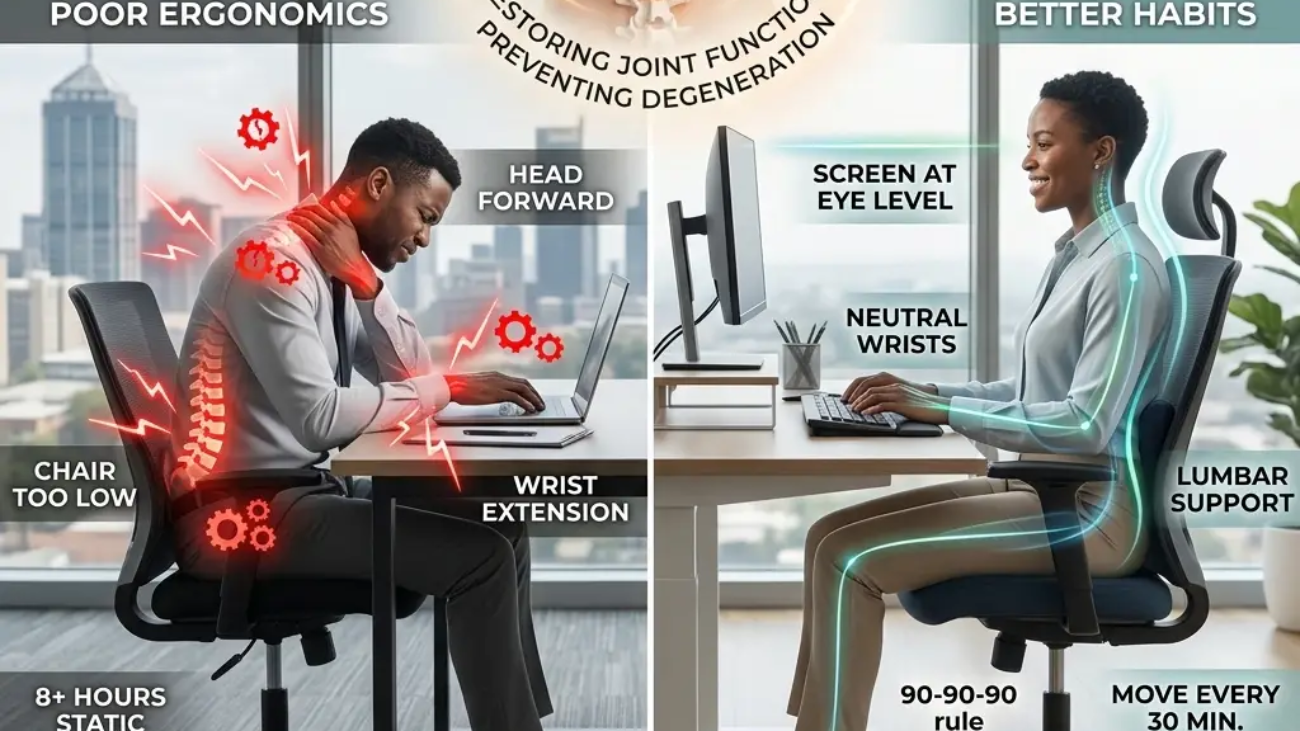
1. Screen Positioned Too Low Forces constant forward head posture. This puts enormous stress on the cervical facet joints and can lead to permanent changes in neck curvature.

2. Chair Too Low or No Lumbar Support Flattens the natural curve of the lower back, overloading lumbar facet joints and increasing disc pressure. Many patients develop chronic lower back joint dysfunction.

3. Keyboard and Mouse Too Far Away Causes forward shoulder rolling and wrist extension. This leads to shoulder impingement and wrist joint dysfunction (commonly misdiagnosed as simple “carpal tunnel”).

4. Sitting for 8+ Hours Without Movement Joints are designed for movement. Prolonged static positions reduce nutrient delivery to cartilage, accelerating wear and tear.

5. Using Laptops Without Risers or External Monitors Combines all the above problems — low screen, poor posture, and awkward arm positions.

6. Poor Foot Support Feet dangling or tucked under the chair destabilises the pelvis, creating sacroiliac joint dysfunction and uneven loading through the hips and spine.

Over months and years, these habits cause adaptive changes in the joints that become harder to reverse.

The Long-Term Consequences of Ignoring Ergonomics

Patients often come to Mensky Chiro after years of poor ergonomics with advanced joint dysfunction that now affects multiple areas:

  • Chronic neck pain with reduced rotation
  • Mid-back stiffness and rib joint restrictions
  • Lower back facet joint syndrome
  • Shoulder impingement and rotator cuff issues
  • Wrist and elbow tendinopathy
  • Hip joint stiffness from pelvic misalignment

Left unchecked, these can progress to osteoarthritis, disc degeneration, and chronic pain syndromes that significantly impact quality of life and work performance.

Practical Tips to Improve Ergonomics and Protect Your Joints

You don’t need an expensive ergonomic overhaul. Start with these practical changes:

  1. Follow the 90-90-90 rule Feet flat on the floor (or footrest), knees at 90 degrees, elbows at 90 degrees.
  2. Position your screen correctly Top of the screen at eye level, about an arm’s length away. Use a separate monitor or laptop riser.
  3. Support your lower back Use a lumbar roll or adjustable chair with good lumbar support. Sit all the way back in the chair.
  4. Keep wrists neutral Keyboard and mouse should allow straight wrists. Consider an ergonomic keyboard or vertical mouse.
  5. Move every 30 minutes Stand, walk, stretch, or do desk exercises. Set a timer if necessary.
  6. Check your overall setup Shoulders relaxed, head balanced over shoulders, feet supported.
  7. Create a hybrid work checklist Many Johannesburg professionals now work from home sometimes. Apply the same ergonomic standards to both environments.

Small daily improvements compound into major protection for your joints.

When to See a Chiropractor for Joint Dysfunction

Don’t wait until pain becomes severe. Visit a chiropractor Johannesburg patients trust when you notice:

  • Persistent joint stiffness that doesn’t ease with movement
  • Clicking, grinding, or catching sensations in joints
  • Pain that returns in the same areas despite rest
  • Reduced range of motion in neck, shoulders, or back
  • Tingling, numbness, or weakness in arms or hands

Early chiropractic care can restore joint mobility, reduce inflammation, and prevent progression to more serious dysfunction.

Johannesburg Office Culture and Ergonomic Challenges

Many professionals in Sandton, Rosebank, and the Johannesburg CBD work in modern open-plan offices with generic furniture that doesn’t suit individual body types. Hybrid work has added another layer — switching between office desks and dining room tables or couches at home.

Load-shedding, long commutes, and high-pressure deadlines often mean people stay glued to their screens for hours without breaks. Dr. Galia Mensky at Mensky Chiro understands these local realities and provides practical solutions tailored to Johannesburg professionals.

Her convenient location at Bluebird Shopping Centre in Birnam makes it easy for people from Melrose, Dunkeld, Victory Park, and nearby areas to receive care that fits around busy work schedules.

Conclusion: Protect Your Joints Before It’s Too Late

Poor ergonomics may feel like a minor inconvenience today, but it can lead to significant long-term joint dysfunction that affects your mobility, career, and quality of life. The encouraging news is that with awareness, better habits, and expert chiropractic support, you can reverse much of the damage and prevent future problems.

At Mensky Chiro in Bluebird Shopping Centre, Birnam, Dr. Galia Mensky helps professionals correct ergonomic-related joint dysfunction through gentle adjustments, soft tissue therapy, posture retraining, and practical advice. Many patients regain smooth joint movement and return to work with greater comfort and energy.

Don’t let poor ergonomics steal your future mobility. Take action today.

Ready to protect your joints and move better?

Book your ergonomic and chiropractic assessment at Mensky Chiro today. Call 083 296 4411 or visit https://menskychiro.co.za to schedule your appointment at Bluebird Shopping Centre, Birnam.

Invest in your long-term joint health — your body will thank you for years to come.


FAQ Section

Q1: What exactly is joint dysfunction? A: It occurs when a joint loses normal movement, often becoming stiff, restricted, or inflamed due to poor posture and repetitive strain.

Q2: Can chiropractic care reverse joint dysfunction from poor ergonomics? A: Yes. Gentle adjustments restore proper joint motion, reduce inflammation, and help prevent further degeneration when combined with ergonomic improvements.

Q3: How long does it take to see results from better ergonomics? A: Many patients notice reduced stiffness within 1–2 weeks of changes, with more significant joint improvements over 4–8 weeks of consistent care.

Q4: Is it too late if I’ve had poor ergonomics for years? A: It’s never too late. Chiropractic care can improve joint function and slow progression at any stage, though earlier intervention yields better results.

Q5: Do I need a doctor’s referral to address ergonomic joint issues? A: No. You can book directly with Mensky Chiro for a comprehensive assessment and personalised treatment plan.


image-2025-07-12T133943.760

Chiropractic Care for Teen Athletes: Prevention Matters

Your teenage son or daughter is passionate about sport — whether it’s rugby on the weekends, swimming competitively, playing netball at school, or running track. You’re proud of their dedication, but you also worry when they complain about recurring knee pain, tight shoulders after training, or lower back stiffness that never seems to fully go away.

Teen athletes are in a unique phase of life. Their bodies are growing rapidly, bones are lengthening, and muscles are trying to keep up. This rapid development, combined with intense training and school demands, creates a high risk of injury. At Mensky Chiro in Bluebird Shopping Centre, Birnam, Dr. Galia Mensky works with many young athletes and their families who want to keep them active, performing well, and injury-free.

Prevention is far more powerful than treatment when it comes to teen athletes. Chiropractic care offers a natural, drug-free way to support their growing bodies.

Why Teen Athletes Are Especially Vulnerable

During the teenage years, the body goes through major growth spurts. Bones can grow faster than muscles and tendons, leading to temporary tightness and imbalance. This makes young athletes more prone to:

  • Overuse injuries
  • Muscle strains and tendon issues
  • Joint misalignments
  • Postural problems from heavy school bags and long hours at desks

Add the physical demands of competitive sport in Johannesburg — hard playing fields, high training loads, and the pressure to perform for school teams — and the risk increases. Many teens also spend hours sitting in class or studying, which creates muscle imbalances that show up during sport.

Common issues Dr. Galia Mensky sees include Osgood-Schlatter disease (knee pain), Sever’s disease (heel pain), lower back pain from growth-related spinal stress, shoulder instability in throwing sports, and ankle sprains that keep returning.

How Chiropractic Care Supports Teen Athletes

Chiropractic care for teenagers is gentle, specific, and focused on supporting natural growth while optimising function. Dr. Mensky uses age-appropriate techniques that are safe and effective for developing bodies.

Key benefits include:

  • Improved joint mobility — Gentle adjustments help restore proper movement to the spine and extremities, reducing compensation patterns that lead to injury.
  • Better posture and spinal alignment — This is crucial during growth spurts to prevent long-term problems.
  • Enhanced muscle balance — Addressing tight and weak muscles helps prevent common overuse injuries.
  • Faster recovery — Chiropractic care can reduce inflammation and support the body’s natural healing processes after training or matches.
  • Injury prevention — Regular check-ups catch small issues before they become major problems.

Many teen athletes also report improved performance — better range of motion, more power, and greater resilience during games.

Practical Tips for Supporting Your Teen Athlete

Parents play a vital role in keeping young athletes healthy. Here are practical strategies:

  1. Prioritise warm-up and cool-down routines Teach your teen to spend 10–15 minutes warming up properly before every session and cooling down with stretches afterwards.
  2. Balance sport with strength and mobility work Encourage bodyweight exercises like planks, single-leg balances, and glute bridges. These build stability without heavy weights.
  3. Monitor training load Avoid sudden spikes in training volume. Ensure adequate rest days, especially during growth spurts when the body needs extra recovery time.
  4. Check school bags and study posture Heavy backpacks carried on one shoulder can create spinal imbalances. Encourage using both straps and proper sitting posture when studying.
  5. Focus on nutrition and sleep Growing athletes need quality protein, calcium, vitamin D, and plenty of sleep (9–11 hours per night) for proper recovery and growth.
  6. Address pain early Don’t push through pain. Mild discomfort should be assessed quickly rather than ignored.
  7. Schedule regular chiropractic check-ups Preventive visits every 4–8 weeks can help maintain optimal function, especially during competitive seasons.

When to Seek Chiropractic Care for Your Teen Athlete

Consider booking an appointment if your teen experiences:

  • Recurrent pain in any joint or muscle after sport
  • Stiffness that limits movement or performance
  • One-sided pain or noticeable imbalances (e.g. favouring one leg)
  • Headaches, neck pain, or back pain during or after training
  • Reduced performance or confidence due to nagging injuries

Early intervention during the teenage years can prevent problems that might persist into adulthood.

Johannesburg Teen Sports Scene and Chiropractic Support

Johannesburg offers fantastic opportunities for young athletes — from school rugby and hockey to athletics, swimming, and soccer academies. However, the competitive environment, combined with academic pressure and our city’s active lifestyle, means many teens push their bodies hard.

Dr. Galia Mensky at Mensky Chiro understands the demands placed on local teen athletes. Her practice in Bluebird Shopping Centre, Birnam, is conveniently located for families in Melrose, Dunkeld, Rosebank, and surrounding suburbs. Many parents appreciate the gentle, non-invasive approach that supports their child’s growth without medication or surgery.

Conclusion: Prevention Is the Smartest Strategy

Teenage years are a critical window for building a strong, resilient body. Chiropractic care focused on prevention helps young athletes stay in the game, perform at their best, and develop healthy movement patterns that last a lifetime.

At Mensky Chiro, Dr. Galia Mensky provides caring, specialised chiropractic care for teen athletes. She works closely with parents and young sports enthusiasts to create personalised plans that address current issues while preventing future ones.

If your teenager is struggling with sports-related pain or you want to give them every advantage through prevention, expert support is available.

Ready to support your teen athlete’s health and performance?

Book a chiropractic assessment for your teenager at Mensky Chiro today. Call 083 296 4411 or visit https://menskychiro.co.za to schedule an appointment at Bluebird Shopping Centre, Birnam.

Invest in their future by taking care of their body now — so they can keep playing the sports they love with confidence and joy.


Internal Linking Suggestions:

  • Link to: “Chiropractic Care for Teen Athletes: Prevention Matters” (self)
  • Link to: “Sports Injuries Weekend Warriors Face in Johannesburg”
  • Link to: “The Role of Mobility in Preventing Sports Injuries”
  • Link to: “Why Early Posture Correction in Children Is Essential”
  • Link to: “What Happens During Your First Chiropractic Consultation”

FAQ Section

Q1: Is chiropractic care safe for teenagers? A: Yes. Dr. Galia Mensky uses very gentle, modified techniques specifically suited for growing bodies. Safety is always the top priority.

Q2: How does chiropractic care help prevent injuries in teen athletes? A: By improving joint mobility, correcting imbalances, and supporting proper posture during growth, it reduces the risk of overuse and compensatory injuries.

Q3: How often should a teen athlete see a chiropractor? A: Many benefit from visits every 4–8 weeks during competitive seasons, with more frequent care if they have existing pain or injuries.

Q4: Can chiropractic care improve sports performance? A: Yes. Better alignment, mobility, and muscle balance often lead to improved power, coordination, and recovery.

Q5: Do teen athletes need a parent’s consent for treatment? A: Yes, parental consent is required for patients under 18. Parents are welcome and encouraged to attend sessions.


Running-and-hip-bursitis-HN2360-iStock-985099506-Re-Sized

Why Runners in Gauteng Often Experience Hip Pain

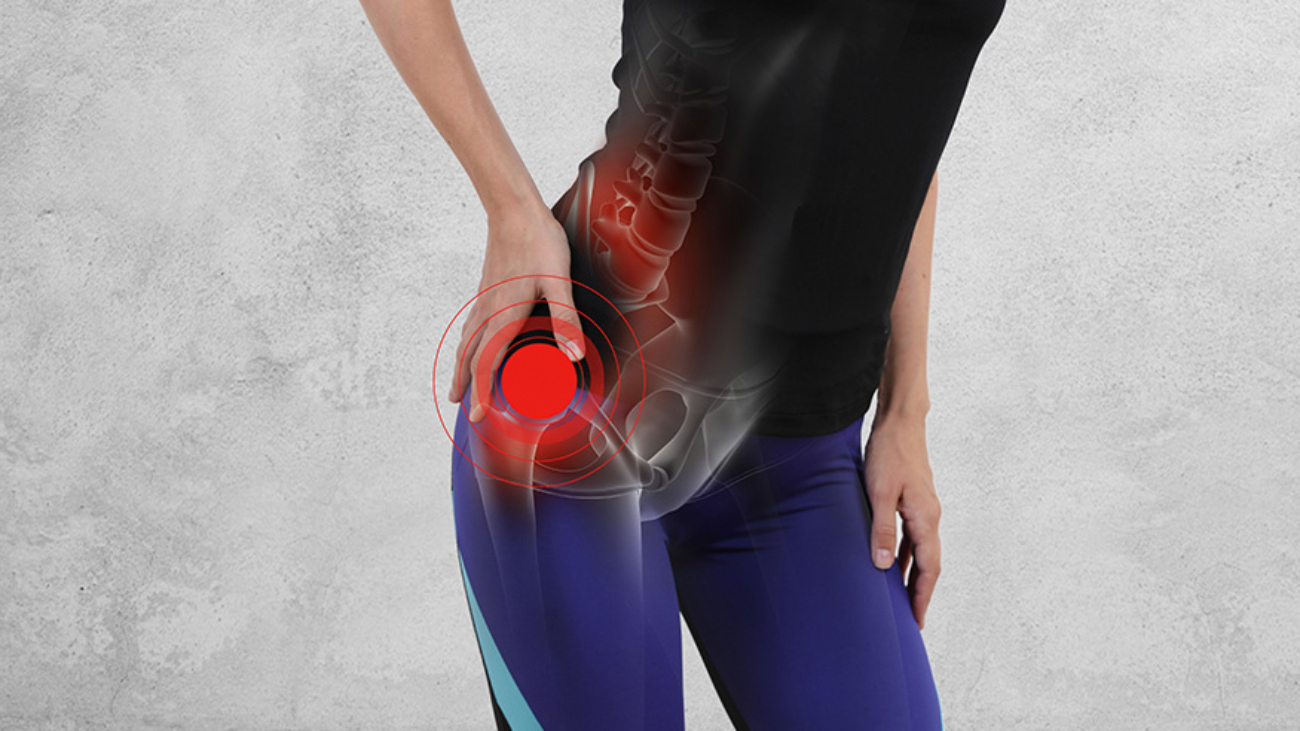
You lace up your running shoes before sunrise, excited for your weekend long run. The first few kilometres feel great, but soon a deep ache develops in the front of your hip or the side near your glute. By the end of the run, every stride hurts. Many runners in Gauteng know this scenario all too well.

Whether you’re training for the Comrades Marathon, enjoying trail runs in the Magaliesberg, or doing park runs around Johannesburg and Pretoria, hip pain is one of the most common complaints among local runners. At Mensky Chiro in Bluebird Shopping Centre, Birnam, Dr. Galia Mensky treats many dedicated runners who are frustrated by recurring hip issues that threaten their training and race goals.

Understanding why hip pain is so prevalent for runners in our region is the first step toward fixing it and staying injury-free.

Why Gauteng Runners Are Particularly Prone to Hip Pain

Gauteng’s unique environment and running culture create specific stresses on the hips:

  • High Altitude — Johannesburg and surrounding areas sit at roughly 1,700 metres above sea level. Your body works harder, muscles fatigue faster, and recovery takes longer. This extra demand increases strain on the hip flexors and stabilisers.
  • Hilly and Varied Terrain — Many popular running routes feature constant elevation changes — from the rolling hills of Linksfield and Observatory to the more technical trails around Johannesburg. These ups and downs place repeated stress on the hip joints and surrounding muscles.
  • Hard Surfaces — A large percentage of training happens on tar roads and concrete pavements, which offer little shock absorption and transmit high impact forces directly up through the hips.
  • Training Errors — Many Gauteng runners follow high-mileage programmes with sudden increases in distance or intensity, especially when preparing for big races. This often happens without enough strength or mobility work.
  • Prolonged Sitting — Most runners also have desk jobs, leading to tight hip flexors and weak glute muscles — a dangerous combination when hitting the roads on weekends.

These factors combine to overload the hip complex more than in flatter, lower-altitude regions.

Common Hip Injuries in Gauteng Runners

Dr. Galia Mensky commonly sees the following hip-related issues in runners at her Birnam practice:

Hip Flexor Strain / Tendinopathy Tight iliopsoas muscles from sitting and repetitive hill running become inflamed and painful, especially when lifting the knee.

Gluteal Tendinopathy / Trochanteric Bursitis Pain on the outside of the hip, often worse when lying on the side or climbing hills. Weak glute medius muscles fail to stabilise the pelvis properly.

IT Band Syndrome The iliotibial band becomes tight and rubs over the outside of the hip, causing sharp or burning pain.

Sacroiliac (SI) Joint Dysfunction The pelvis becomes misaligned from uneven loading, referring pain into the hip and lower back.

Labral Irritation or Femoroacetabular Impingement (FAI) Repetitive high-impact activity can irritate the cartilage ring in the hip socket, especially in runners with underlying biomechanical issues.

These conditions rarely appear suddenly — they usually build gradually until they force a runner to reduce mileage or stop completely.

Practical Tips to Prevent and Manage Hip Pain as a Gauteng Runner

  1. Strengthen your hips and glutes Include targeted exercises 2–3 times per week: single-leg bridges, clamshells, side-lying leg lifts, and monster walks with a resistance band.
  2. Improve hip mobility Do daily dynamic stretches such as leg swings, hip circles, and pigeon pose variations. Pay special attention to both hip flexors and external rotators.
  3. Respect the altitude and terrain Increase mileage gradually (no more than 10% per week) and include proper recovery runs. Mix in softer surfaces like grass or trails when possible.
  4. Optimise your running form Avoid overstriding. Focus on a slight forward lean from the ankles and quick, light foot strikes. A gait analysis can identify issues.
  5. Use proper footwear Replace running shoes every 600–800 km. Consider different shoes for road vs trail running.
  6. Prioritise recovery Include foam rolling, regular stretching, good sleep, and nutrition. Consider contrast baths or light swimming on recovery days.
  7. Don’t ignore early warning signs Mild hip tightness after runs should be addressed immediately with mobility work and professional care before it becomes a full injury.

When to See a Sports Chiropractor Johannesburg for Hip Pain

Book an appointment if you experience:

  • Hip pain that persists for more than a few days
  • Pain that worsens with running, especially uphill or on hard surfaces
  • Clicking, catching, or instability in the hip
  • Pain that radiates into the groin, buttock, or down the leg
  • Reduced stride length or limping during runs

A sports chiropractor Johannesburg can identify the exact mechanical cause and create a targeted treatment and rehabilitation plan.

Johannesburg and Gauteng Running Culture

From the vibrant running community at parkruns in Delta Park and Zoo Lake to serious training groups preparing for Two Oceans or Comrades, Gauteng runners are passionate and dedicated. However, the combination of high training volumes, demanding work schedules, and our challenging local conditions means many runners battle recurring hip issues.

Dr. Galia Mensky at Mensky Chiro understands this active lifestyle. Her conveniently located practice in Bluebird Shopping Centre, Birnam, serves runners from across Johannesburg and surrounding areas who want to stay on the road and reach their goals pain-free.

Conclusion: Run Stronger and Longer in Gauteng

Hip pain doesn’t have to be an accepted part of being a runner in Gauteng. By understanding the unique demands our environment places on your body and addressing them with smart training, mobility work, and expert chiropractic care, you can reduce pain and prevent future injuries.

At Mensky Chiro, Dr. Galia Mensky provides specialised sports chiropractic care that helps runners restore proper hip mechanics, strengthen weak areas, and return to training stronger. Many local runners have successfully overcome stubborn hip pain and achieved personal bests after working with her.

Don’t let hip pain sideline your running dreams. Effective, natural solutions are available to keep you moving comfortably on Gauteng’s roads and trails.

Ready to run without hip pain?

Book your sports chiropractic assessment at Mensky Chiro today. Call 083 296 4411 or visit https://menskychiro.co.za to schedule your appointment at Bluebird Shopping Centre, Birnam.

Take the first step toward pain-free running and enjoy every kilometre you love in Gauteng.


FAQ Section

Q1: Why do so many runners in Gauteng get hip pain? A: High altitude, hilly terrain, hard surfaces, and common muscle imbalances from desk jobs all place extra stress on the hips.

Q2: Can chiropractic care help runners with hip pain? A: Yes. Sports chiropractic restores joint movement, reduces muscle tension, corrects pelvic alignment, and supports faster recovery.

Q3: Should I stop running if I have hip pain? A: Not always. Many runners can continue with modified training while receiving treatment. A proper assessment will guide the best approach.

Q4: How long does it take to recover from runner’s hip pain? A: It varies, but many patients see significant improvement within 4–8 sessions when combining chiropractic care with targeted exercises.

Q5: Do I need a referral to see a sports chiropractor in Johannesburg? A: No referral is needed. You can book directly with Mensky Chiro for a thorough running-specific assessment.

Headache-page-Cervicogenic-Headaches-image-1-scaled

Headaches That Originate from the Neck: What You Need to Know

You wake up with a headache again. It starts at the base of your skull, spreads over one side of your head, and feels worse when you turn your neck. Painkillers help a little, but the headache keeps returning — especially after long days at your desk. If this sounds familiar, your headaches may not be starting in your head at all. They could be coming from your neck.

These are called cervicogenic headaches, and they’re far more common than most people realise, especially among busy professionals in Johannesburg. At Mensky Chiro in Bluebird Shopping Centre, Birnam, Dr. Galia Mensky regularly helps patients find lasting relief by addressing the neck as the true source of their headaches.

Understanding this connection is often the key to breaking the cycle of recurring head pain.

What Are Cervicogenic Headaches?

Cervicogenic headaches are secondary headaches — meaning they’re caused by a problem in another part of the body, in this case, the neck (cervical spine). Pain signals from irritated joints, tight muscles, or compressed nerves in the upper neck refer pain into the head.

Unlike migraines, these headaches are usually one-sided and are closely linked to neck movement or position. They often start in the back of the head or upper neck and travel forward to the forehead, temple, or behind the eye.

How the Neck Causes Headaches

The upper cervical spine (C1, C2, and C3 vertebrae) shares nerve pathways with the head and face. When structures in this area become dysfunctional, the brain can interpret the pain as coming from the head.

Common triggers Dr. Galia Mensky sees in her Birnam practice include:

  • Restricted facet joints in the upper neck from poor posture
  • Tight suboccipital muscles at the base of the skull
  • Forward head posture from prolonged screen use
  • Upper cervical muscle tension caused by stress or poor ergonomics
  • Previous whiplash or minor neck trauma that was never properly addressed

These issues create inflammation and altered mechanics that refer pain into the head, often accompanied by neck stiffness or reduced range of motion.

Recognising Neck-Related Headaches

How do you know if your headache is coming from your neck? Look for these typical signs:

  • Pain begins in the neck or base of the skull
  • Headache worsens with neck movement or sustained positions
  • Reduced ability to turn or tilt your head
  • Tenderness when pressing on the upper neck muscles
  • Headache accompanied by shoulder or upper back tightness
  • Pain is usually steady and dull rather than throbbing or pulsing

Many patients also notice their headaches get worse by the end of the workday, after long commutes, or following extended computer time.

Practical Tips to Reduce Neck-Related Headaches

You can take meaningful steps to prevent and manage these headaches:

  1. Practise chin tucks Gently draw your chin back (like making a double chin) several times a day. This strengthens deep neck flexors and counters forward head posture.
  2. Improve your workstation Position your screen at eye level and keep your keyboard close so your shoulders stay relaxed. Consider a monitor riser or laptop stand.
  3. Take frequent neck breaks Every 30–45 minutes, stand up, gently roll your shoulders, and do slow neck rotations and side bends.
  4. Optimise sleeping position Use a supportive pillow that maintains the natural curve of your neck. Avoid stomach sleeping, which twists the neck for hours.
  5. Stay hydrated Dehydration tightens muscles and can worsen headache frequency. Aim for 2–3 litres of water daily, especially important in Johannesburg’s climate.
  6. Gentle upper back stretches Doorway chest stretches and upper trapezius stretches help release tension that contributes to referred head pain.
  7. Manage screen time posture Hold your phone at eye level instead of looking down. Use voice commands where possible to reduce neck strain.

When to See a Chiropractor for Neck-Related Headaches

Don’t keep treating the symptom when the cause is in your neck. Book an assessment with a chiropractor Johannesburg patients trust if you experience:

  • Frequent headaches that start in the neck
  • Head pain accompanied by neck stiffness or reduced movement
  • Headaches that worsen with desk work or driving
  • Pain that returns despite medication or rest
  • Associated dizziness, visual disturbances, or shoulder pain

Early chiropractic intervention can significantly reduce both the frequency and intensity of these headaches.

Johannesburg Lifestyle Factors That Contribute to Neck Headaches

Long hours at desks in Sandton and Rosebank offices, combined with stressful commutes on the N1 and M1, create perfect conditions for neck dysfunction. Many professionals also carry extra tension from high-pressure work environments and spend additional time on phones while navigating our busy city.

Dr. Galia Mensky at Mensky Chiro understands these local challenges. Her practice in Bluebird Shopping Centre, Birnam, offers convenient access for residents in Melrose, Dunkeld, Victory Park, and surrounding suburbs seeking effective neck pain relief Johannesburg without disrupting their demanding schedules.

How Chiropractic Care Helps Neck-Origin Headaches

Chiropractic care is highly effective for cervicogenic headaches because it directly targets the source. Dr. Mensky uses gentle, specific adjustments to restore proper movement to the upper cervical joints, release tight muscles, and improve overall neck posture and function.

Many patients report noticeable reduction in headache frequency and intensity within just a few sessions. Chiropractic also addresses contributing factors like posture and muscle imbalances for longer-lasting results.

Conclusion: Stop Treating the Symptom — Address the Cause

If your headaches keep returning despite tablets and rest, the problem may be hiding in your neck. Recognising this connection opens the door to real, lasting relief rather than temporary masking of symptoms.

At Mensky Chiro in Bluebird Shopping Centre, Birnam, Dr. Galia Mensky provides personalised chiropractic care that has helped many Johannesburg patients finally break free from recurring neck-related headaches. Through gentle adjustments, soft tissue work, and practical advice, she helps restore comfort and improve daily quality of life.

You don’t have to accept frequent headaches as normal. Effective, natural solutions are available.

Ready to find the real source of your headaches and get lasting relief?

Book your chiropractic assessment today at Mensky Chiro. Call 083 296 4411 or visit https://menskychiro.co.za to schedule your appointment.

Take the first step toward fewer headaches and a more comfortable neck. Your future self will thank you.


Internal Linking Suggestions:

  • Link to: “Neck Pain in the Digital Age: How Screen Time Is Changing Posture”
  • Link to: “The Hidden Link Between Stress and Chronic Muscle Tension”
  • Link to: “Headaches That Originate from the Neck: What You Need to Know” (self)
  • Link to: “Can Chiropractic Care Improve Sleep Quality?”
  • Link to: “What Happens During Your First Chiropractic Consultation”

FAQ Section

Q1: What is a cervicogenic headache? A: A headache caused by problems in the neck, such as joint dysfunction or muscle tension, that refers pain into the head.

Q2: How can I tell if my headache is coming from my neck? A: If the pain starts in the neck or base of the skull and worsens with neck movement or certain positions, it is likely cervicogenic.

Q3: Can chiropractic care really help headaches? A: Yes. Many patients experience significant reduction in headache frequency and intensity through gentle neck adjustments and posture correction.

Q4: How many sessions are usually needed? A: Many people notice improvement within 4–6 sessions, though individual results vary depending on how long the problem has existed.

Q5: Are chiropractic adjustments safe for headaches? A: When performed by an experienced chiropractor after a thorough assessment, adjustments are very safe and effective for neck-related headaches.

leaning-forward-2_posture-mistakes

Posture Mistakes Office Workers Make Every Day

You start your day with good intentions — sitting tall at your desk in your Johannesburg office. But by 10am you’ve already slumped forward. By lunchtime your shoulders are rounded, your neck is craned toward the screen, and that familiar ache between your shoulder blades has returned.

Sound familiar? If you spend most of your day at a desk, you’re not alone. Countless professionals across Sandton, Rosebank, and the Johannesburg CBD unknowingly repeat small posture mistakes that slowly damage their spine and create chronic pain.

At Mensky Chiro in Bluebird Shopping Centre, Birnam, Dr. Galia Mensky sees these patterns daily. Many patients are surprised to learn that simple, everyday habits at work are the real reason behind their persistent neck, shoulder, and back pain.

Why Good Posture Matters More Than You Think

Your spine is designed with natural curves that help absorb shock and maintain balance. When you repeatedly adopt poor posture, these curves become distorted. Muscles work harder than they should, joints become restricted, and uneven pressure builds on discs and ligaments.

Over time, these small daily mistakes add up to stiffness, pain, headaches, and reduced energy. The good news is that becoming aware of these mistakes is the first step toward fixing them.

The 8 Most Common Posture Mistakes Johannesburg Office Workers Make

Here are the posture errors Dr. Galia Mensky sees most often in her Birnam practice:

1. Forward Head Posture (“Tech Neck”) Crane your neck forward to read your screen or look at your phone. This adds massive extra weight to your cervical spine and strains the muscles at the back of your neck.

2. Rounded Shoulders Shoulders roll forward while typing or using a mouse. This tightens the chest muscles and weakens the upper back, creating that hunched appearance and mid-back pain.

3. Slouching in the Chair Sliding down in your seat so your lower back loses its natural curve. This puts enormous pressure on the lumbar discs and leads to lower back pain by the end of the day.

4. Crossing Your Legs Crossing legs at the knees or ankles tilts the pelvis and creates uneven stress through the lower back and hips. Many patients notice one side feels tighter than the other.

5. Desk Too Low or Screen Too High/Low When your keyboard is too low, you hunch your shoulders. When your screen is too low, you drop your head. Both positions force your spine out of alignment.

6. Holding the Phone Between Ear and Shoulder This classic mistake twists the neck for long periods while on calls, creating one-sided muscle tension and joint stiffness.

7. Sitting Too Close or Too Far from the Desk Being too close forces your elbows up. Sitting too far makes you lean forward, straining both neck and lower back.

8. Static Posture for Too Long Even “perfect” posture becomes harmful if you hold it without moving. Staying frozen in one position for hours reduces blood flow and increases muscle fatigue.

These mistakes often feel small in the moment, but they create significant mechanical stress over months and years.

Practical Tips to Fix Your Posture at Work

You don’t need a complete office overhaul to improve. Try these practical changes that fit into real Johannesburg workdays:

  1. Set up your workstation correctly Adjust your chair so your feet are flat on the floor and your knees are at 90 degrees. Your screen should be at eye level — use a laptop stand or monitor riser if needed.
  2. Use the 20-20-20 rule Every 20 minutes, look 20 feet away for 20 seconds. Stand up, roll your shoulders, and do a few gentle neck movements.
  3. Sit tall with support Keep your lower back against the chair with a small lumbar support or rolled towel. Imagine a string gently pulling the top of your head upward.
  4. Position your keyboard and mouse close Keep them at a height where your elbows stay relaxed at your sides, not elevated.
  5. Take movement breaks Set a timer to stand, walk to the kitchen, or do simple stretches every 45–60 minutes. Even better — hold walking meetings when possible.
  6. Strengthen postural muscles Do simple exercises like shoulder blade squeezes, chin tucks, and wall angels for 2–3 minutes several times a day.
  7. Use a standing desk option If available, alternate between sitting and standing throughout the day.

Small, consistent changes like these can dramatically reduce the strain on your spine.

When to See a Chiropractor for Posture-Related Pain

Consider visiting a chiropractor Johannesburg patients recommend when posture mistakes have led to:

  • Persistent neck or shoulder pain that worsens during the workday
  • Recurring headaches, especially at the base of the skull
  • Mid or lower back pain that improves slightly with rest but returns quickly
  • Tightness that makes it difficult to sit comfortably for long periods
  • Reduced ability to turn your head or maintain good posture

A chiropractor can assess your specific posture patterns, release restricted joints, and create a personalised plan to correct imbalances.

Johannesburg Office Life and Posture Challenges

Working in Johannesburg often means long hours at desks, open-plan offices with shared furniture that doesn’t fit everyone, and stressful commutes that add extra time in poor sitting positions. Many professionals also work hybrid schedules, switching between ergonomic office setups and less-than-ideal home workstations.

Dr. Galia Mensky at Mensky Chiro understands these realities. Her practice in Bluebird Shopping Centre, Birnam, is conveniently located for professionals in Melrose, Dunkeld, Rosebank, and nearby suburbs who want practical solutions without taking too much time away from their busy schedules.

Conclusion: Small Posture Changes Create Big Results

Poor posture isn’t just about appearance — it directly affects how you feel every day. The good news is that with awareness, simple adjustments, and professional support, you can correct these mistakes and reduce pain significantly.

At Mensky Chiro, Dr. Galia Mensky combines gentle chiropractic adjustments, soft tissue work, and targeted exercises to help office workers improve posture and eliminate chronic pain. Many patients report feeling taller, more energetic, and far more comfortable at work after consistent care.

You don’t have to accept pain as part of your office job. Better posture and greater comfort are achievable.

Ready to fix your posture and feel better at work?

Book your chiropractic posture assessment at Mensky Chiro today. Call 083 296 4411 or visit https://menskychiro.co.za to schedule your appointment at Bluebird Shopping Centre, Birnam.

Take control of your posture and enjoy pain-free days in the office and beyond.


FAQ Section

Q1: Can bad posture really cause chronic pain? A: Yes. Poor posture places abnormal stress on muscles, joints, and discs, eventually leading to pain, stiffness, and headaches.

Q2: How quickly can chiropractic care improve posture? A: Many patients notice improved mobility and reduced pain within a few sessions, while visible posture changes develop over several weeks with consistent care and exercises.

Q3: Will fixing my posture eliminate all my pain? A: In most cases, correcting posture-related mechanical issues significantly reduces or eliminates pain, especially when combined with chiropractic treatment.

Q4: Do I need special equipment to fix my work posture? A: Not necessarily. Simple adjustments to your chair, screen height, and movement habits often make a big difference.

Q5: Is it too late to improve my posture if I’ve had bad habits for years? A: It’s never too late. The body responds well to chiropractic care and corrective exercises at any age.

fghd

Understanding Sciatica and Its Treatment Options

That shooting pain that starts in your lower back or buttock and travels down one leg can stop you in your tracks. Some days it feels like a deep ache, other times it’s a sharp, electric sensation that makes walking, sitting, or even sleeping difficult. If you’ve experienced this, you’re likely dealing with sciatica — a common but often misunderstood condition.

At Mensky Chiro in Bluebird Shopping Centre, Birnam, Dr. Galia Mensky sees many Johannesburg patients frustrated by sciatica. They’ve often tried painkillers, rest, or heat packs with only temporary relief. The good news is that when you understand what’s really causing the pain, effective, natural solutions become available.

What Exactly Is Sciatica?

Sciatica isn’t a diagnosis on its own — it’s a set of symptoms. It occurs when the sciatic nerve, the longest and thickest nerve in the body, becomes irritated or compressed. This nerve runs from your lower back, through your hips and buttocks, and down each leg.

When irritated, the sciatic nerve can cause pain anywhere along its path — from the lower back to the calf or even the foot. You might also feel numbness, tingling (“pins and needles”), or muscle weakness in the affected leg.

The pain is usually felt on only one side of the body and can range from mild discomfort to severe, debilitating pain that makes daily activities nearly impossible.

Common Causes of Sciatica in Johannesburg Adults

Several mechanical issues can irritate the sciatic nerve. Dr. Galia Mensky commonly sees these causes in her Birnam practice:

Lumbar disc irritation or herniation When a disc in the lower back bulges or herniates, it can press on or inflame the nerve roots that form the sciatic nerve.

Piriformis syndrome The piriformis muscle, located deep in the buttock, can tighten or spasm and compress the sciatic nerve as it passes underneath or through the muscle. This is very common in people who sit for long periods.

Sacroiliac (SI) joint dysfunction Misalignment or inflammation in the pelvic joints can create uneven pressure and refer pain along the sciatic pathway.

Spinal stenosis or facet joint irritation Narrowing of the spinal canal or inflamed small joints in the lower back can irritate the nerve, especially in older adults or those with long-standing poor posture.

Muscle imbalances from prolonged sitting Many Johannesburg professionals who sit at desks all day develop tight hip flexors and weak glute muscles. This imbalance puts extra stress on the lower back and pelvis, increasing sciatica risk.

Other contributing factors include pregnancy (due to added weight and relaxin hormone), previous injuries, and repetitive twisting movements.

Why Sciatica Pain Feels So Different

Unlike simple muscle strain, sciatic pain often has a distinct “nerve” quality — sharp, burning, or electric. It can worsen with coughing, sneezing, sitting for long periods, or driving. Many patients notice the pain intensifies after long commutes on Johannesburg highways or after sitting through long meetings.

The pain can come and go, or it may become constant. Some people also experience lower back pain along with the leg symptoms, while others feel mostly leg pain with very little back discomfort.

Practical Tips to Manage Sciatica Symptoms at Home

While professional care is often needed for lasting relief, these strategies can help reduce irritation in the meantime:

  1. Avoid prolonged sitting Stand up and walk around every 20–30 minutes. When driving, take breaks to stretch your legs and hips.
  2. Use ice and heat wisely In the first 48–72 hours of a flare-up, use ice to reduce inflammation. After that, alternate with gentle heat to relax tight muscles.
  3. Gentle movement is better than complete rest Short, frequent walks are usually more helpful than lying down all day. Avoid high-impact activities until the acute pain settles.
  4. Try the “figure-4” stretch carefully While lying on your back, cross the affected leg over the other knee and gently pull the thigh toward you. Stop if it increases leg pain.
  5. Support your lower back when sitting Use a small lumbar roll or rolled towel behind your lower back to maintain its natural curve.
  6. Sleep position matters Sleep on your side with a pillow between your knees to keep your pelvis aligned.

These tips offer temporary relief, but they work best when combined with professional treatment that addresses the root cause.

When to See a Chiropractor for Sciatica

Don’t wait until the pain becomes unbearable. Visit a chiropractor Johannesburg patients trust when you notice:

  • Sharp pain, numbness, or tingling running down one leg
  • Pain that lasts more than a few days despite rest and home care
  • Weakness in the leg or foot (difficulty lifting your foot or toes)
  • Pain that interferes with walking, working, or sleeping
  • Recurring episodes of sciatica

Early intervention often leads to faster recovery and helps prevent the problem from becoming chronic.

Local Relevance: Sciatica in Johannesburg Lifestyle

Johannesburg’s combination of long sitting hours in offices, stressful commutes on the N1 and M1, and sometimes uneven walking surfaces in our suburbs creates ideal conditions for sciatica to develop. Many patients at Mensky Chiro mention that their symptoms worsen after long days at their desks followed by sitting in traffic, or after weekends spent on their feet doing household chores.

Dr. Galia Mensky understands these local realities. Her practice at Bluebird Shopping Centre, Birnam, is easily accessible for residents from Melrose, Dunkeld, Rosebank, and surrounding areas who need practical back pain treatment Johannesburg without long travel times during painful flare-ups.

How Chiropractic Care Helps Sciatica

Chiropractic care focuses on restoring proper movement and alignment to the lower back and pelvis, reducing pressure on the sciatic nerve. Dr. Mensky uses gentle spinal adjustments, soft tissue techniques, and specific rehabilitation exercises tailored to each patient’s condition.

Many patients experience reduced leg pain and improved mobility within the first few weeks. Unlike pain medication that only masks symptoms, chiropractic treatment aims to correct the underlying mechanical dysfunction so the nerve can heal naturally.

Conclusion: You Don’t Have to Live with Sciatica Pain

Sciatica can be incredibly frustrating and limiting, but it usually responds well to the right approach. Understanding the cause and addressing it with gentle, targeted care can help you return to your normal daily activities with far less discomfort.

At Mensky Chiro in Bluebird Shopping Centre, Birnam, Dr. Galia Mensky offers individualised chiropractic care for sciatica that focuses on long-term relief and prevention of recurrence. Many Johannesburg patients have found lasting improvement through this natural, drug-free method.

If sciatica is affecting your work, sleep, or quality of life, you have effective options available.

Ready to find real relief from sciatica?

Book your chiropractic assessment today at Mensky Chiro. Call 083 296 4411 or visit https://menskychiro.co.za to schedule your appointment.

Don’t let sciatica control your days. Take the first step toward comfortable movement and lasting back pain treatment Johannesburg you can trust.


FAQ Section

Q1: What is the difference between back pain and sciatica? A: Sciatica involves irritation of the sciatic nerve and typically causes pain, numbness, or tingling that travels down the leg, whereas simple back pain usually stays in the lower back area.

Q2: Can chiropractic care really help sciatica? A: Yes. By restoring proper alignment and movement to the spine and pelvis, chiropractic adjustments often reduce pressure on the sciatic nerve and provide significant relief.

Q3: How many sessions are typically needed for sciatica relief? A: Many patients notice improvement within 4–8 sessions, though the exact number depends on the cause and how long the symptoms have been present.

Q4: Is it safe to adjust the spine when someone has sciatica? A: When performed by an experienced chiropractor after a thorough assessment, spinal adjustments are safe and often very effective for sciatica.

Q5: Should I see a doctor or chiropractor first for sciatica? A: For most mechanical cases of sciatica, seeing a chiropractor early is appropriate. If you have severe weakness, bowel or bladder changes, or fever, seek medical attention immediately.

physiotherapist-helping-to-beautiful-pregnant-UYVEVLP-copy-e1587599259399

How Chiropractic Care Supports Pregnancy Wellness

The journey through pregnancy is beautiful, but it can also be physically challenging. As your baby grows, your body goes through rapid changes that often lead to back pain, pelvic pressure, sciatica-like symptoms, and difficulty finding a comfortable sleeping position. Many expectant mothers in Johannesburg silently endure these discomforts, believing they’re simply “part of pregnancy.”

At Mensky Chiro in Bluebird Shopping Centre, Birnam, Dr. Galia Mensky has helped numerous pregnant women find safe, gentle, and drug-free relief. Chiropractic care during pregnancy isn’t about forcing the body — it’s about supporting your changing biomechanics so you can enjoy this special time with less pain and greater comfort.

How Pregnancy Changes Your Body and Spine

During pregnancy, your body produces a hormone called relaxin. This hormone softens ligaments and joints to prepare for childbirth, but it also makes your spine and pelvis more mobile — and sometimes less stable.

As your belly grows, your centre of gravity shifts forward. This causes your lower back to curve more (increased lumbar lordosis), putting extra pressure on the lumbar discs and facet joints. Your shoulders often round forward to balance the weight, straining the upper back and neck.

The pelvis can become misaligned or restricted, especially in the sacroiliac (SI) joints. This misalignment frequently contributes to:

  • Lower back pain that worsens when standing or walking
  • Pelvic girdle pain (PGP) or symphysis pubis dysfunction (SPD)
  • Sciatica — sharp pain radiating down one leg
  • Hip discomfort and tightness
  • Round ligament pain
  • Difficulty turning in bed or getting in and out of a car

Many women also experience mid-back tension from the extra weight they’re carrying and changes in breathing patterns as the uterus expands.

These changes don’t happen overnight. They build gradually, which is why many women notice symptoms becoming more noticeable in the second and third trimesters.

The Benefits of Chiropractic Care During Pregnancy

Chiropractic care offers a safe, non-invasive way to support your body through these changes. Dr. Galia Mensky uses gentle, pregnancy-specific techniques that avoid any high-force movements or twisting of the abdomen.

Key benefits many pregnant patients experience include:

  • Reduced lower back and pelvic pain through improved joint alignment
  • Better pelvic balance, which may help create more space for the baby to settle into an optimal position
  • Decreased muscle tension in the neck, shoulders, and upper back
  • Improved sleep quality as discomfort eases
  • Easier movement for daily activities like walking, driving, and working

Research and clinical experience show that chiropractic care during pregnancy can significantly reduce pain levels and improve quality of life without the need for medication.

Practical Tips for Managing Pregnancy Discomfort in Johannesburg

While chiropractic care provides excellent support, these everyday strategies can help you feel more comfortable between visits:

  1. Maintain good posture Stand tall with your shoulders back and avoid locking your knees. When sitting, use a small lumbar roll or rolled towel to support your lower back’s natural curve.
  2. Sleep smarter Sleep on your side with a pillow between your knees and another under your belly for support. This helps keep your pelvis and spine aligned.
  3. Stay gently active Prenatal yoga, swimming, or short walks in Johannesburg parks (like the Botanical Gardens or Emmarentia Dam) help maintain mobility without high impact.
  4. Use proper body mechanics When getting out of bed, roll to your side first and use your arms to push up. Bend at the knees rather than the waist when picking things up.
  5. Wear supportive shoes Avoid high heels. Choose shoes with good cushioning to reduce stress on your lower back and pelvis.
  6. Stay hydrated and eat well Proper nutrition and hydration support ligament health and help reduce swelling and muscle cramps.
  7. Take regular breaks If you’re working, stand and walk around every 30–45 minutes. Many Johannesburg offices now offer standing desks or allow flexible arrangements for pregnant staff.

When Should You See a Chiropractor During Pregnancy?

It’s never too early or too late to seek chiropractic support. Consider booking an appointment if you experience:

  • Persistent lower back or pelvic pain
  • Pain that radiates into your hips or legs
  • Difficulty walking, climbing stairs, or turning in bed
  • Neck or upper back tension from postural changes
  • Any discomfort that affects your daily activities or sleep

Many women begin care in the first or second trimester for prevention and continue through the third trimester and even postpartum. Chiropractic care is safe throughout all stages of pregnancy when performed by a practitioner experienced in prenatal techniques.

Johannesburg Pregnancy and the Need for Chiropractic Support

Pregnancy in Johannesburg comes with its own unique challenges. Many expectant mothers continue working until late in their pregnancy, facing long commutes on busy highways, variable weather, and the physical demands of navigating our city’s hilly suburbs and shopping centres.

Load-shedding can also disrupt comfortable sleeping routines or make it harder to stay active. Dr. Galia Mensky understands these realities and tailors care to fit around busy schedules and local lifestyle factors.

Her conveniently located practice at Bluebird Shopping Centre in Birnam makes it easy for women from Melrose, Dunkeld, Rosebank, Victory Park, and surrounding areas to receive regular, supportive care without adding extra stress to their day.

Conclusion: Supporting Your Body Naturally Through Pregnancy

Pregnancy is a time of incredible change. While some discomfort is common, you don’t have to simply accept pain as inevitable. Gentle chiropractic care can help your body adapt more comfortably, reduce pain, and support better pelvic alignment as you prepare for birth.

At Mensky Chiro, Dr. Galia Mensky provides compassionate, specialised chiropractic care for pregnant women. Using safe, modified techniques, she helps many expectant mothers in Johannesburg experience greater comfort, improved mobility, and a more positive pregnancy journey.

If you’re pregnant and struggling with back pain, pelvic discomfort, or postural changes, know that safe, effective help is available.

Ready to feel more comfortable during your pregnancy?

Book your chiropractic consultation at Mensky Chiro today. Call 083 296 4411 or visit https://menskychiro.co.za to schedule your appointment at Bluebird Shopping Centre, Birnam.

Let Dr. Galia Mensky support your body naturally so you can focus on the joy of this special time.


FAQ Section

Q1: Is chiropractic care safe during pregnancy? A: Yes. When performed by a chiropractor experienced in prenatal care, techniques are modified to be gentle and safe for both mother and baby at every stage of pregnancy.

Q2: Can chiropractic help with pelvic girdle pain or SPD? A: Many women experience significant relief from pelvic and lower back pain through gentle adjustments that improve pelvic alignment and reduce joint stress.

Q3: When is the best time to start chiropractic care during pregnancy? A: You can start at any time. Some women begin early for prevention, while others seek help when discomfort appears in the second or third trimester.

Q4: Will adjustments hurt during pregnancy? A: No. Dr. Mensky uses very gentle, low-force techniques specifically adapted for pregnant patients. Most women find the care comfortable and relaxing.

Q5: Can chiropractic care help after birth too? A: Yes. Postpartum chiropractic care helps restore pelvic and spinal alignment, supports recovery, and addresses the physical demands of caring for a newborn.